


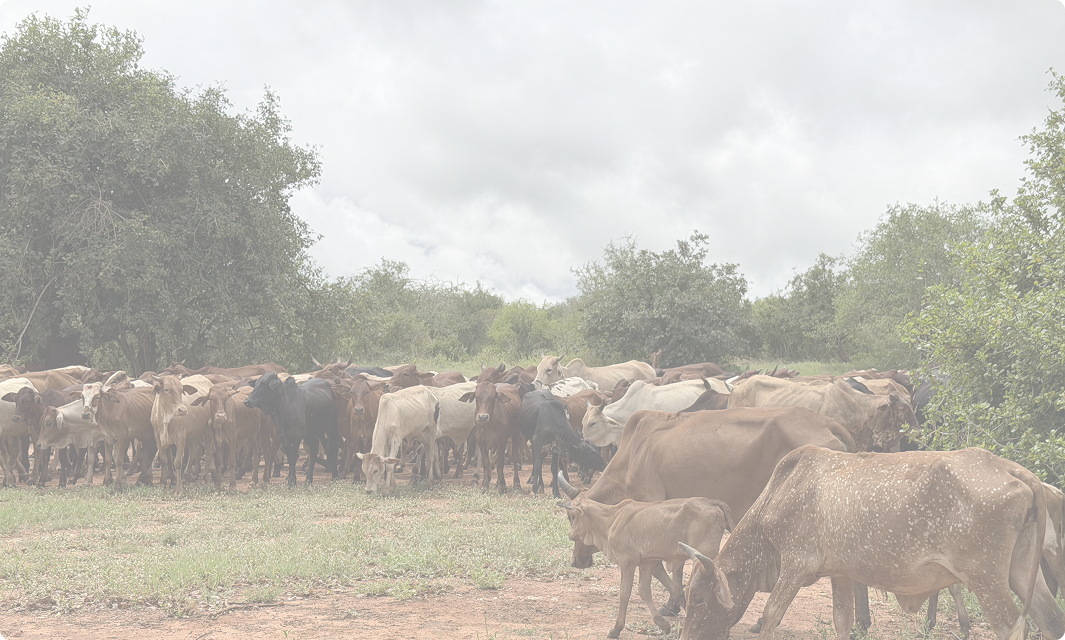
Welcome to Bura Ranch: 17,000 hectares of community land rich in indigenous forest in the heart of Kenya. African elephants and wild dogs roam through bushlands and vital biodiversity corridors. For generations, the people that have protected these landscapes have done so without recognition- for the first time, their work is becoming visible, credible, and directly linked to economic value.
Economic Justice Forum, EJF, is an organization operating at the intersection of climate justice, biodiversity protection, and economic justice across Kenya's rangelands and Indian Ocean coastline. Of the 30 ranches that sit within the landscape, twenty are locally owned, held collectively by families who have lived there for generations. Aside from ensuring proper land ownership titles through a collaboration with the Kenyan parliament, EJF is working to create a sustainable financing mechanism to keep the ranches and forest protected and thriving.
To track and monitor the work the community is doing to conserve the ecosystem, from keeping an eye on illegal grazing to flagging charcoal burning, and tracking signs of poaching, EJF relied on fragmented manual reports. There was no centralised record and no structured data trail that could satisfy the due-diligence requirements of a biodiversity finance body or a carbon market.
“One of the key barriers that we had was lack of structured geospatial data without a standardized monitoring system. We could not meet requirements for carbon or biodiversity finance despite strong field level conservation work. Our people have preserved this ecosystem and these ecosystems for hundreds of years but they've benefited nothing. But through NatureGrid now we are able to meet the requirements for carbon and biodiversity financing.”- Christopher Mwambigu, Director of Economic Justice Forum
Beginning with a pilot at Bura Ranch, EJF plans to complete a robust ecosystem regeneration programme on the ranch, demonstrate the model, and expand to the other ranches across the coastal region.
Using NatureGrid, EJF is making the invisible work of these communities legible to the outside world.


